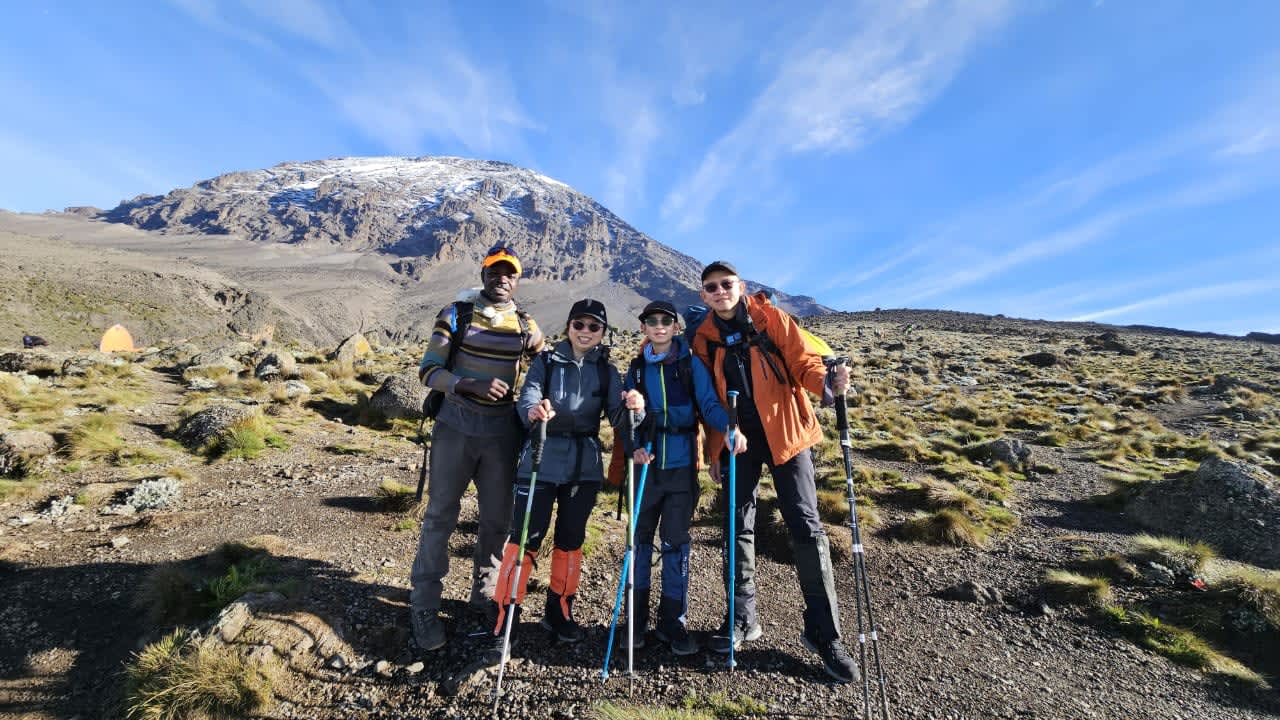
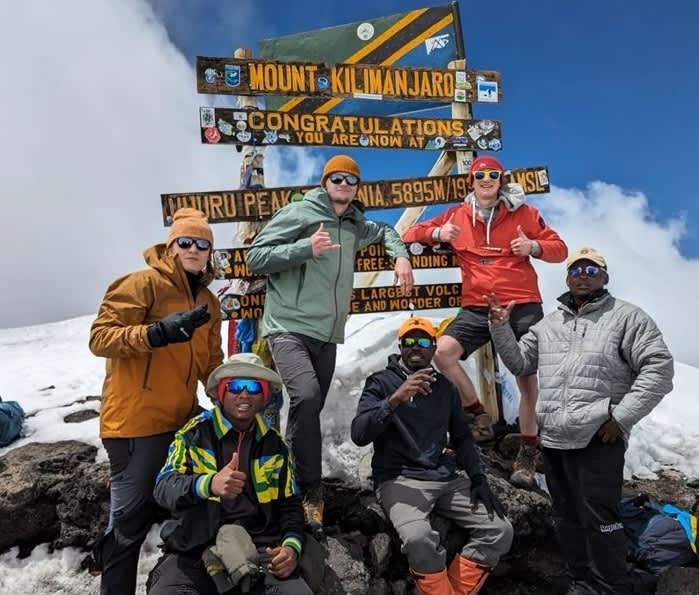
Knowing how to train for Kilimanjaro is what separates a summit from a turnaround. Training for Kilimanjaro is the variable most trekkers underestimate and the one they control most completely. You cannot control altitude sickness, weather, or how your body responds to thin air — but you can show up at Machame Gate with lungs and legs that are genuinely prepared for 6–9 consecutive days of hiking at altitude. This 12-week plan builds from wherever you are now to a level of conditioning that gives you a real shot at Uhuru Peak.
Loading content...
Why Training Matters More Than People Think
Kilimanjaro is not a technical climb — no ropes, no harnesses, no glacier travel. But it is one of the most sustained endurance efforts most people ever attempt: 6–9 hours of hiking per day, for 6–9 consecutive days, at altitudes where every step costs more oxygen than it does at sea level. The trekkers who fail to summit because of fatigue (rather than AMS) are almost always the ones who undertrained. Six weeks of weekend hiking is not preparation. Twelve weeks of structured progression is.
Weeks 1–4: Base Building
The goal
Build cardiovascular base and muscle endurance without injury. This phase is about volume, not intensity.
Schedule
- 3× weekly cardio: 45–60 minutes at moderate intensity. Walking, cycling, rowing, or swimming. You should be able to hold a conversation but feel genuinely warm.
- 2× weekly strength: Focus on glutes, quads, hamstrings, calves, and core — the muscles Kilimanjaro loads most heavily. Squats, lunges, step-ups, single-leg deadlifts, planks.
- 1× weekly long walk: 60–90 minutes outdoors, hills if available. Flat is acceptable in week 1–2 but introduce incline by week 3.
Weeks 5–8: Loaded Hiking
The goal
Develop the specific conditioning Kilimanjaro demands — hiking with weight, on sustained incline, for multiple hours at a time.
Schedule
- Weekly long hike: 3–5 hours, with 8–10 kg daypack. This is your most important training session. No hills? Use a treadmill at 8–12% incline or find a multi-storey car park.
- 2× weekly interval cardio: 20–30 minutes of 1-minute hard efforts with 1-minute recovery. Builds VO2 max — your ceiling for oxygen uptake, which directly affects altitude performance.
- Maintain strength training: Add weight to squats and lunges. Single-leg exercises are particularly valuable for Kilimanjaro's uneven terrain.
Weeks 9–11: Back-to-Back Simulation
The goal
Train your body for the specific demand Kilimanjaro places: consecutive days of sustained effort with incomplete recovery.
Schedule
- Weekend back-to-backs: Hike Saturday and Sunday, 4+ hours each day with your full pack weight. This is the closest simulation available without being on the mountain itself.
- Altitude exposure if possible: If you have access to mountains above 2,500m, hike there. Even a single night above 3,000m gives your body a meaningful adaptation stimulus.
- One interval session mid-week: Maintain aerobic ceiling while your weekend hiking builds durability.
Week 12: Taper
Reduce training volume by 40–50%. Maintain 2 shorter hikes (60–90 minutes) to keep the body primed. Prioritise sleep — 8+ hours per night. Eat well (protein and complex carbs, not a crash diet). Arrive at the mountain rested, not exhausted from last-minute fitness anxiety.
Gym-Only Training: What Works, What Doesn't
If you don't have access to hills, a gym covers most bases: stair climber (best Kilimanjaro simulation in a gym), incline treadmill with loaded pack, rowing machine for cardio, and strength work. The one thing a gym can't replicate is descending terrain — which loads knees and ankles differently than flat or ascending movement. Get at least 3–4 outdoor hikes with real downhill before departure. Your knees will thank you on the Mweka descent.
When to Start Training
12 weeks is the minimum for someone with a reasonable base fitness. If you're starting from sedentary, 16–20 weeks is more appropriate. If your Kilimanjaro date is in less than 8 weeks and you haven't been training, focus on daily walking (build to 2+ hours) and as many hikes as you can fit — and choose the longest available route to compensate with acclimatisation time.
Book this tour
7-Day Machame Route Kilimanjaro — Scenic Summit via the Whiskey Route
Conquer Kilimanjaro on the 7-day Machame Route — Africa's most scenic ascent. 85%+ summit success rate, expert guides, all-inclusive from …
$2,395.00
View Tour →