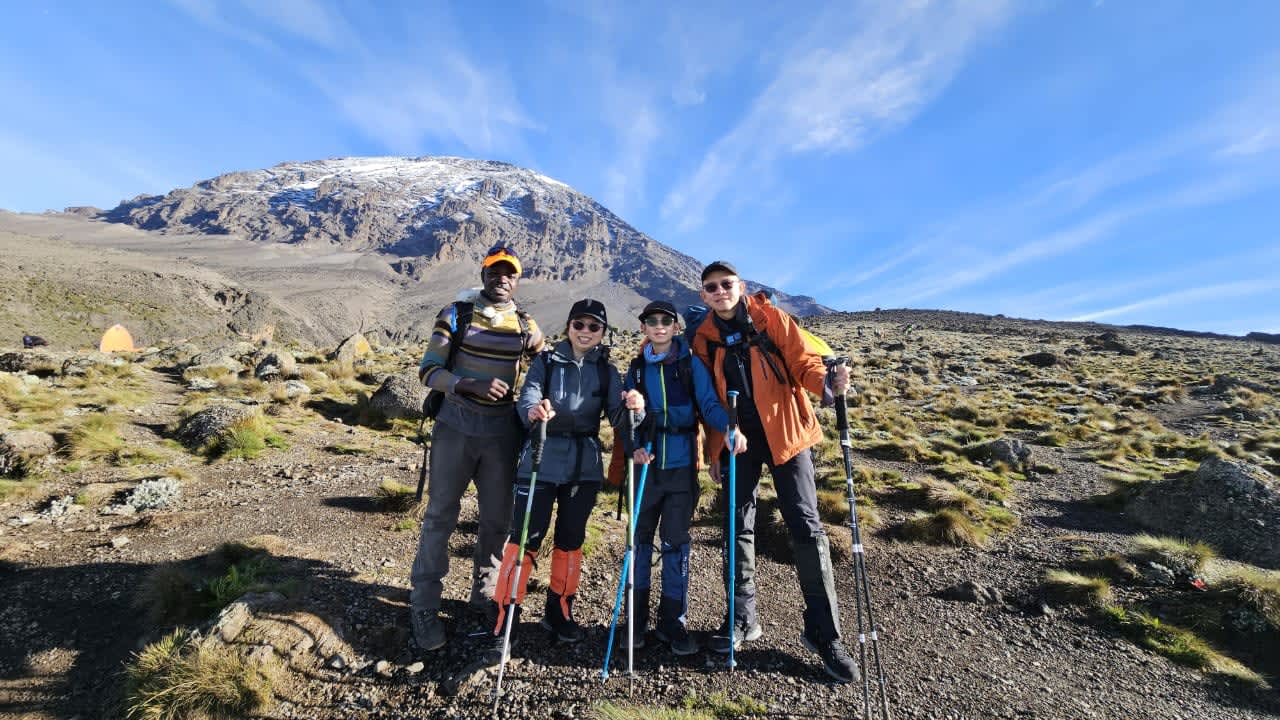
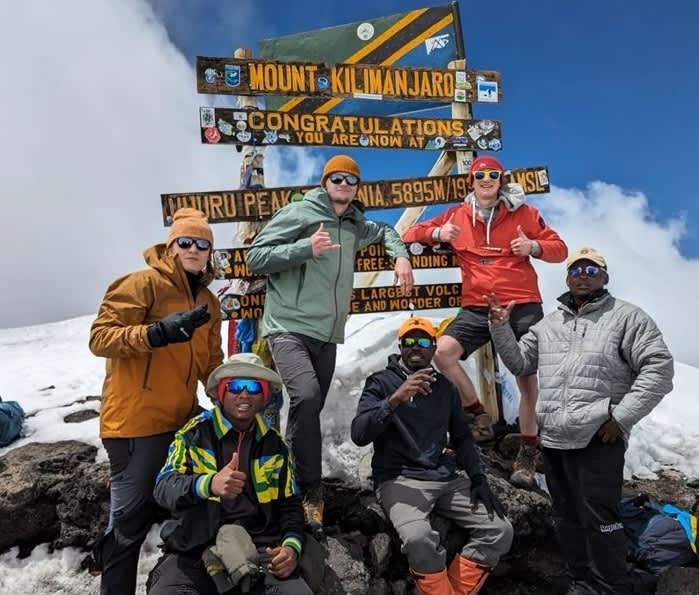
Kilimanjaro porter welfare is the ethical heart of every responsible climb. Every Kilimanjaro trekker relies on a team of porters who carry food, equipment, tents, and cooking supplies to make the climb possible. Without porters, there is no Kilimanjaro experience as most visitors know it. But the porter economy on Kilimanjaro has historically involved significant exploitation: underweight limits ignored, inadequate clothing provided, wages not paid in full, and porters left at high camp without proper shelter. The operator you book with determines the conditions under which that team works. This matters more than most trekkers know.
Loading content...
Who Are Kilimanjaro's Porters?
A typical 7-day Kilimanjaro climb requires a crew of 8–15 porters per two trekkers, plus a lead guide, assistant guide, cook, and waiter. Porters are almost exclusively local men from the Kilimanjaro and Moshi areas — many are young men supporting families with one of the few well-paying local employment options in the region. A good climbing season provides reliable income; a bad operator means wages stolen, tips withheld, and physical conditions that cause long-term health damage.
Legal Regulations and Weight Limits
Tanzania National Parks (TANAPA) regulations specify that each porter may carry a maximum of 20 kg, excluding their own personal gear. In practice, many budget operators routinely exceed this — porters have been documented carrying 30–40 kg, which causes musculoskeletal injuries and long-term health consequences. The Kilimanjaro Porters Assistance Project (KPAP) conducts mountain patrols and has found significant non-compliance among lower-cost operators.
What Porters Are Paid
Tanzania's minimum wage for park porters is set by TANAPA: approximately $10–15 USD per day. Quality operators pay above this — Visit Kili's starting porter wage is $15–20/day — and provide additional benefits including meals, proper shelter at each camp, and equipment. Budget operators sometimes pay below minimum wage, withhold wages pending tip collection, or pay only for days on the mountain rather than including travel days.
The KPAP Partnership Program
The Kilimanjaro Porters Assistance Project (KPAP) is a non-profit that certifies Kilimanjaro operators who meet specific porter welfare standards. KPAP-certified operators commit to: legal weight limits, provision of adequate clothing and sleeping gear for porters, proper meals, correct wages, and tip distribution systems. When booking your climb, ask your operator directly: Are you a KPAP partner? Can you show your porter wage structure? Evasion of these questions is informative.
What Good Operators Do Differently
- Weigh packs at the gate: Responsible operators weigh every porter load before departure — a public process that creates accountability
- Provide proper porter equipment: Sleeping bags rated for summit-level temperatures, waterproof jackets, appropriate boots — not repurposed client gear
- Separate porter and trekker tipping: Tip envelopes distributed directly to each porter rather than collected centrally (where they may be withheld)
- Porters sleep inside camps: Not outside tent perimeters in inadequate shelter
- Consistent crew: Same team from gate to summit, not casual labour hired day-by-day
How Much Should You Tip Porters?
The recommended tipping structure for a 7-day Kilimanjaro climb: Lead guide: $15–20/day ($105–140 total). Assistant guide: $10–15/day ($70–105 total). Cook: $8–12/day ($56–84 total). Porter: $6–10/day ($42–70 total). Tips are distributed at the tipping ceremony at the gate on the final day. Bring exact cash in USD — small bills. Your guide will give you a breakdown of the crew size before you reach the gate so you can prepare the amounts.
The Real Cost of a Cheap Kilimanjaro Climb
A Kilimanjaro package significantly below market price almost always means one thing: the cost reduction is passed to the crew, not absorbed by the operator. Park fees are fixed by TANAPA and identical for all operators. Food and equipment costs are similar across operators. The variable is labour. When you book a $1,200 Kilimanjaro package versus a $2,200 one, the difference is largely in guide quality, crew wages, and the conditions those 10–15 people work in for a week so you can reach the Roof of Africa.
Book this tour
7-Day Machame Route Kilimanjaro — Scenic Summit via the Whiskey Route
Conquer Kilimanjaro on the 7-day Machame Route — Africa's most scenic ascent. 85%+ summit success rate, expert guides, all-inclusive from …
$2,395.00
View Tour →