The Lemosho Route is the most intelligently designed Kilimanjaro ascent — a western wilderness approach that gains altitude more gradually than any other route, passes through terrain no other path touches, and achieves summit success rates of 88–92% on 8-day itineraries. It is not the most popular route (Machame holds that title) but among experienced trekkers and altitude medicine specialists, Lemosho consistently ranks as the best route on the mountain. This guide covers everything: the western approach, the Shira Plateau, the Barranco Wall joining point, and how Lemosho compares to every alternative.
Loading content...
Lemosho Route Overview
Duration: 7 or 8 days (8 strongly recommended). Distance: ~70 km total. Max altitude: 5,895m (Uhuru Peak). Difficulty: Challenging. Success rate (8-day): 88–92%. Starting point: Londorossi Gate (2,100m), western face. Descent: Mweka Route. The Lemosho approach is the most gradual altitude gain of any Kilimanjaro route — you spend 3 full days below 4,000m before pushing higher, compared to 2 days on Machame.
What Makes Lemosho Different from the First Step
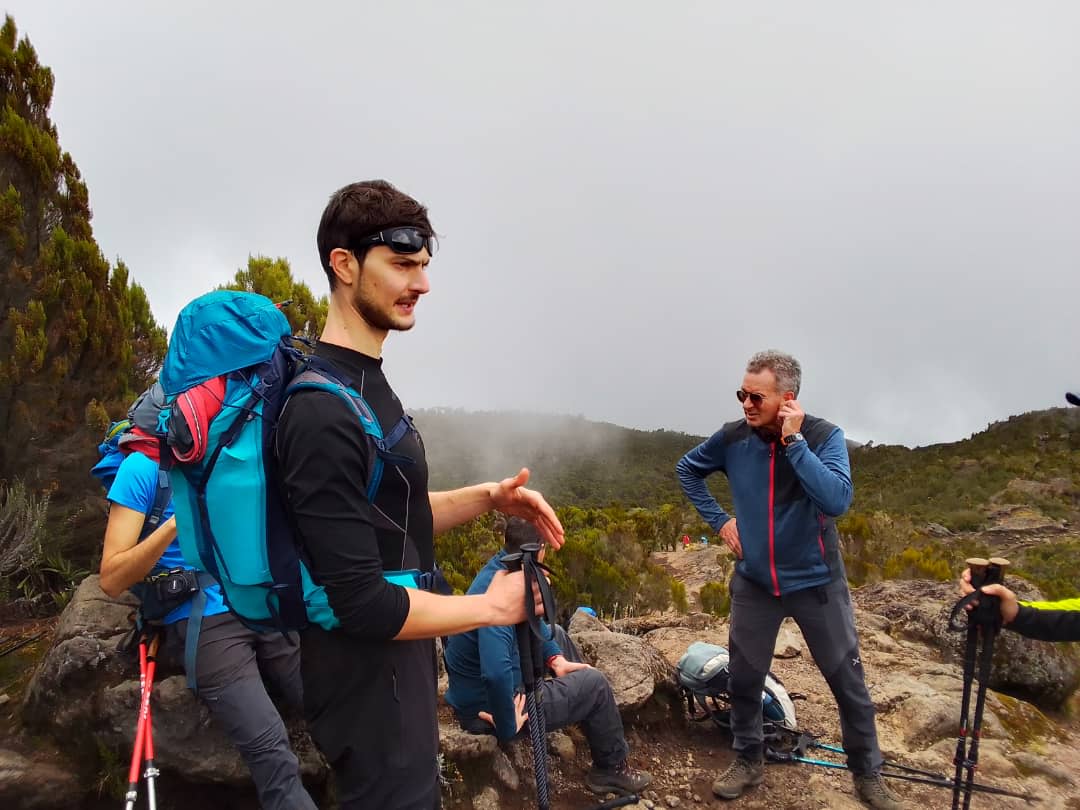
Lemosho starts from Londorossi Gate on Kilimanjaro's western face — a 2-hour drive from Moshi through remote forest tracks. This isolation is part of the experience: the first two days pass through pristine montane forest where you are genuinely unlikely to encounter other trekking teams. Buffalo and elephant are occasionally seen in the lower forest with your armed ranger escort (mandatory in Arusha National Park territory). The sense of wilderness in the first 3 days of Lemosho is dramatically different from Machame's busier gate area.
Lemosho Route Day-by-Day Itinerary (8-Day Version)
Day 1: Londorossi Gate (2,100m) → Forest Camp (2,650m)
Remote western entry. Dense montane forest with mature fig trees, giant heathers, and the sounds of the wilderness rather than the road. 7 km, 550m gain, 3–5 hours. This is one of Kilimanjaro's most pleasant approach days — you're gaining altitude very slowly and the forest is genuinely beautiful.
Day 2: Forest Camp → Shira 1 Camp (3,500m)
Exit the forest into open moorland. The transition from forest to open Afromontane heath is dramatic — within 30 minutes, the canopy falls away and the Shira Plateau stretches ahead. Kibo's summit cone appears for the first time. 8 km, 850m gain, 5–7 hours.
Day 3: Shira 1 → Shira 2 Camp (3,840m) via Shira Cathedral
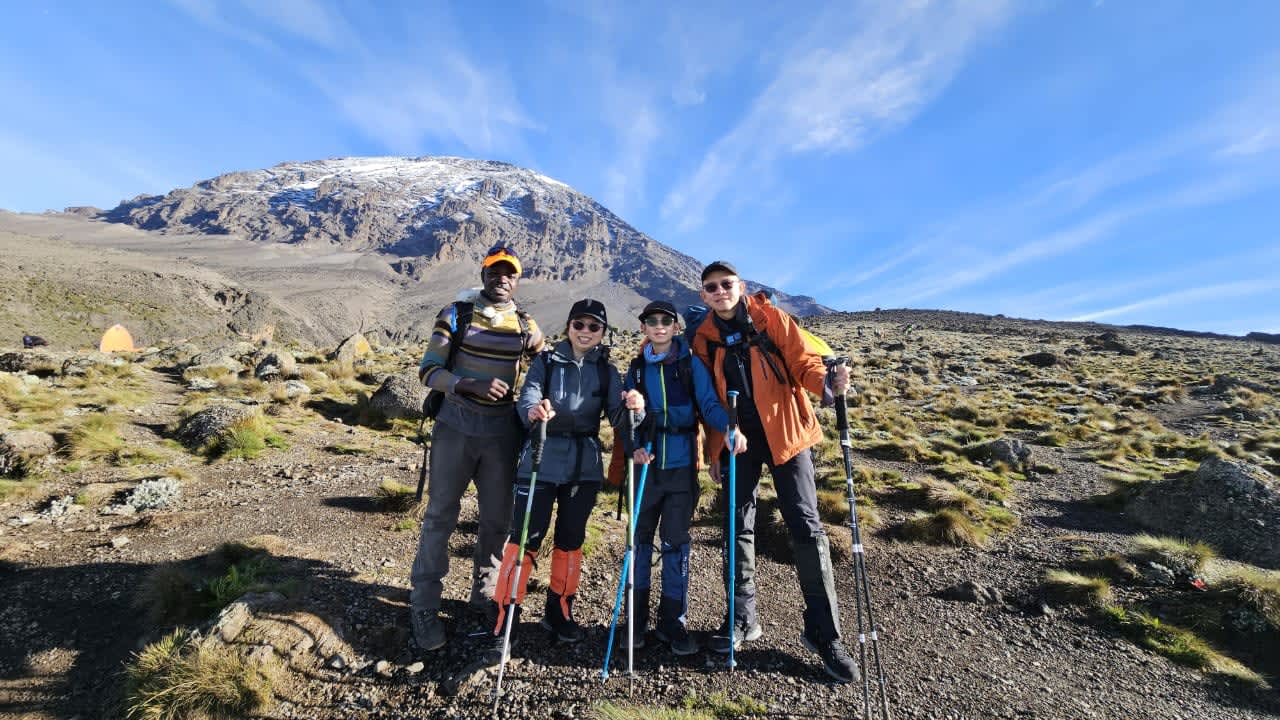
Cross the Shira Plateau — one of Kilimanjaro's most striking landscapes. The plateau is the remnant of an ancient volcano that collapsed inward, leaving a high-altitude grassland surrounded by volcanic ridges. The Shira Cathedral rock formation offers a short scramble with panoramic views. Kibo is now fully visible to the east. 6 km, 340m gain, 3–4 hours.
Day 4: Shira 2 → Lava Tower (4,630m) → Barranco Camp (3,960m)
The classic acclimatisation push — identical to Machame's day 3. Ascend to Lava Tower for lunch (4,630m), descend to Barranco Camp to sleep (3,960m). This is where Lemosho joins the Machame path for the remainder of the ascent. Your body has now been above 3,500m for 3 days — the acclimatisation advantage over routes with a faster approach is already built in.
Day 5: Barranco Wall → Karanga Camp (4,035m)
The Barranco Wall scramble — hands-and-feet, exhilarating, non-technical. This section is identical to the Machame experience from this point. 5 km, 4–5 hours.
Day 6: Karanga Camp → Barafu Base Camp (4,640m)
Steep ascent to summit launch camp. Short day — arrive early afternoon, rest extensively before midnight departure.
Day 7 (8-day version): Extra Acclimatisation at Barafu
The key 8-day advantage. A full rest day at 4,640m with an optional short rotation to 4,900m. Your body is at altitude, adapting without the exertion of a hiking day. This extra 24 hours at high camp is worth roughly 5–8% in summit success probability compared to the 7-day Lemosho.
Day 7/8: Summit Night → Uhuru Peak → Millennium Camp
Midnight departure. Uhuru at sunrise. Descend to Millennium Camp (3,820m) rather than Mweka Camp — the 8-day Lemosho uses a slightly different descent path. 12–16 hours.
Day 8/9: Millennium Camp → Mweka Gate → Moshi
Final forest descent. Certificates. Tipping. Transfer.
Lemosho vs Machame — The Definitive Comparison
| Factor | Lemosho (8-day) | Machame (7-day) |
|---|---|---|
| Success rate | 88–92% | 82–88% |
| Days below 4,000m | 3 | 2 |
| Crowds (first 3 days) | Minimal | Moderate to high |
| Western approach | Yes — remote | No — southern approach |
| Barranco Wall | Day 5 | Day 4 |
| Price vs Machame 7-day | ~$200–300 more | Baseline |
| Best for | Altitude-cautious, repeat climbers, photographers | First-timers, value, iconic route |
Book this tour
8-Day Lemosho Route Kilimanjaro Trek — The Wilderness Ascent
The 8-day Lemosho Route offers Kilimanjaro's best acclimatisation, most remote wilderness approach, and consistently the highest summit success rate of …
$2,695.00
View Tour →